
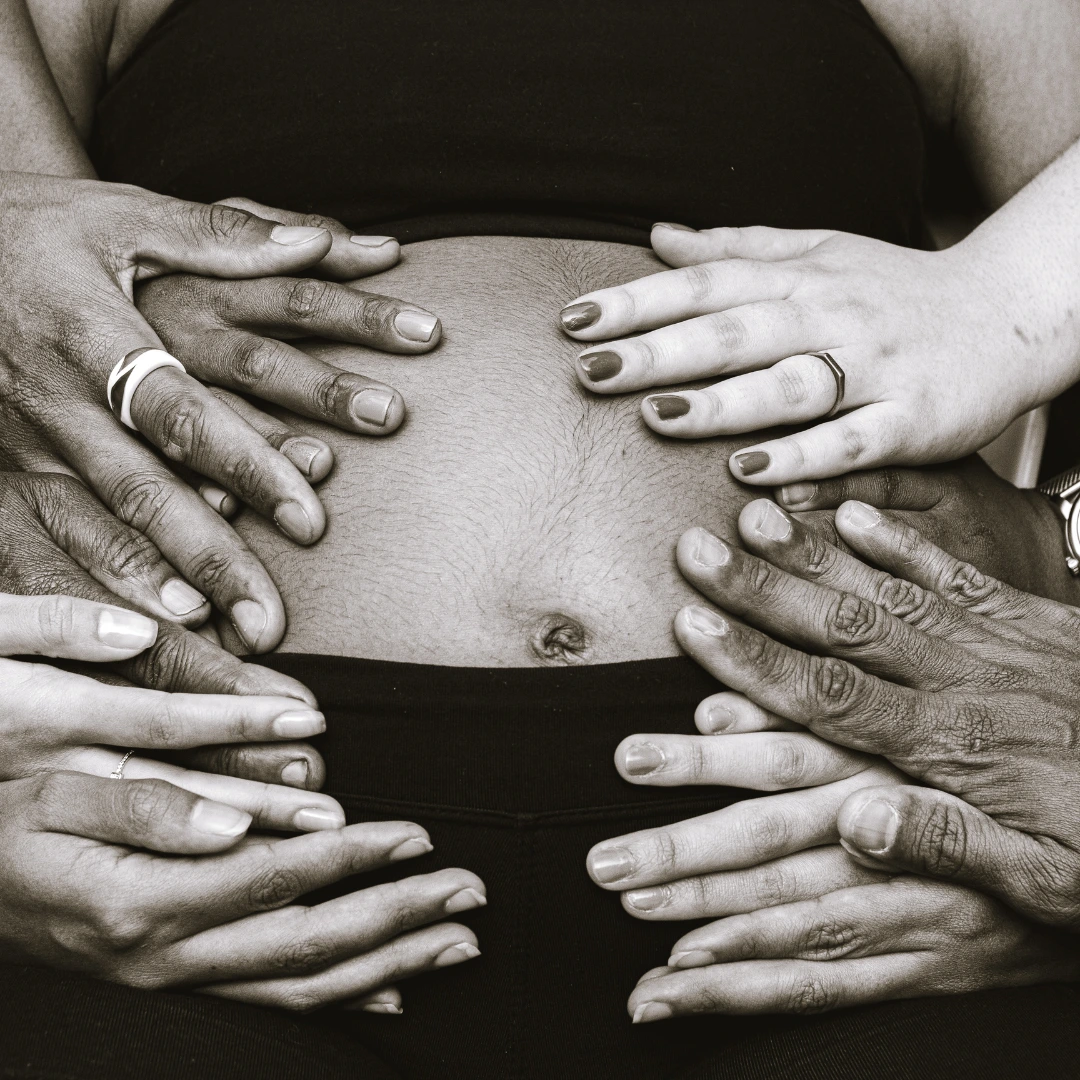
A Collaborative Model of Integrative Preconception Care in Complex Autoimmune Infertility

A Collaborative Model of Integrative Preconception Care in Complex Autoimmune Infertility

Presented at the Australian College of Nutritional and Environmental Medicine (ACNEM) Conference July 2026 and the Fertility Society of Australia and New Zealand (FSANZ) Conference August 2026.


At Fertile Ground, we’ve always believed that the best care happens when healthcare professionals work together.

Over the past 25 years we’ve had the privilege of collaborating with hundreds of fertility specialists, GPs, obstetricians, surgeons, endocrinologists,  psychiatrists, counsellors and psychologists, acupuncturists, massage therapists, osteopaths and other allied health practitioners, each bringing their own expertise to help individuals and couples navigate what can be one of the most challenging seasons of their lives – trying to conceive.

This clinical case study represents one of those collaborations.

About this case

This clinical case study was presented by Charmaine Dennis, Director and Senior Fertility Naturopath at Fertile Ground Health Group, and Dr Sascha Edelstein, Fertility Specialist and Managing Director of Thrive Fertility, at both the Australian College of Nutritional and Environmental Medicine (ACNEM) Conference and the Fertility Society of Australia and New Zealand (FSANZ) Conference in 2026.

While we were incredibly grateful to ultimately celebrate the birth of a healthy baby, that isn’t why we chose to present this case.

We presented it because it demonstrates something we believe is just as important: what can happen when healthcare professionals communicate openly, respect one another’s expertise and work together to build a truly integrated plan of care around the couple sitting in front of them.

Infertility is rarely simple. For many couples, there isn’t one diagnosis, one treatment or one practitioner holding all the answers. Medical history, nutrition, lifestyle, immune function, metabolic health, environmental exposures, reproductive health and emotional wellbeing all contribute to the environment in which conception is being asked to happen.

Following four unsuccessful IVF cycles, this couple paused treatment to comprehensively optimise both partners before commencing their fifth cycle. The result was a genuinely collaborative model of care.

A partnership we’re proud of

One of the greatest privileges of working in fertility care is collaborating with healthcare professionals who are genuinely committed to achieving the best possible outcomes for their patients.

Working alongside Dr Sascha Edelstein and the team at Thrive Fertility throughout this case was a wonderful example of that philosophy in action. Their openness to collaboration, evidence-informed practice and willingness to communicate throughout the patient’s journey created an environment where medical and complementary care could genuinely support one another.

This partnership reflects the way we believe integrative fertility care should be practised – not as competing disciplines, but as complementary areas of expertise working together in the best interests of the people we care for.

We hope this case encourages more conversations between fertility specialists, GPs, naturopaths, acupuncturists and allied health practitioners. Not because one profession has all the answers, but because patients deserve the benefit of every perspective working together.

This case contributes to the growing discussion around integrative fertility care, IVF support, preconception care, recurrent IVF failure and multidisciplinary fertility treatment.

Finally, we would like to sincerely thank our patients for generously allowing us to share their story. We hope it contributes to ongoing learning, stronger collaboration and, ultimately, better care for people navigating infertility.


A Collaborative Model of Integrative Preconception Care in Complex Autoimmune Infertility

Presenter contact information

For further information about our case study, Fertile Ground Health Group or Thrive Fertility please contact:

1. Charmaine Dennis, Fertile Ground Health Group

2. Dr Sascha Edelstein Thrive Fertility

References

Environmental

3. Haimbaugh A, Meyer DN, Connell ML, Blount-Pacheco J, Tolofari D, Gonzalez G, Banerjee D, Norton J, Miller CJ, Baker TR. Environmental Exposure to Per- and Polyfluorylalkyl Substances (PFASs) and Reproductive Outcomes in the General Population: A Systematic Review of Epidemiological Studies. Int J Environ Res Public Health. 2024 Dec 2;21(12):1615. doi: 10.3390/ijerph21121615.

4. Parent AS et al. Endocrine-disrupting chemicals and female reproductive health: a growing concern. Nat Rev Endocrinol 2025; 21 (10): 593-607

5. Shen J et al. Exposure of women undergoing in vitro fertilisation to per- and polyfluoroalkyl substances: evidence on negative effects on fertilisation and high-quality embryos. Environ Pollut. 2024;359:124474. doi.org/10.1016/j.envpol.2024.124474

6. Defends G et al. The impact of chemical pollution and warming on male fertility: a narrative review by the Special Interest Group “Environment and Fertility” of the Italian Society of Fertility and Sterility and Reproductive Medicine (SIFES-MR). J Assist Reprod Genet 2025; 42 (12): 4071-4101

7. Green MP, Harvey AJ, Finger BJ, Tarulli GA. Endocrine disrupting chemicals: Impacts on human fertility and fecundity during the peri-conception period. Environ Res. 2021 Mar;194:110694. doi: 10.1016/j.envres.2020.110694.

8. Kumar, N., Singh, A.K. Impact of environmental factors on human semen quality and male fertility: a narrative review. Environ Sci Eur 34, 6 (2022). doi.org/10.1186/s12302-021-00585-w

9. Marconi G, Di Resta C, Naclerio A, Banfi G, Tomaiuolo R. Heavy metals and human reproductive toxicity: Mechanisms, pregnancy outcomes, and mitigation strategies. Reprod Toxicol. 2026 Jan;139:109104. doi: 10.1016/j.reprotox.2025.109104.

10. Inam Ö. Impact of microplastics on female reproductive health: insights from animal and human experimental studies: a systematic review. Arch Gynecol Obstet. 2025 Jul;312(1):77-92. doi: 10.1007/s00404-024-07929-w. Epub 2025 Jan 16. PMID: 39821449; PMCID: PMC12176963.

11. Kesari KK, Agarwal A, Henkel R. Radiations and male fertility. Reprod Biol Endocrinol. 2018 Dec 9;16(1):118.  doi: 10.1186/s12958-018-0431-1.

12. Sungjoon Kim, Donghyun Han, Jiwoo Ryu, Kihun Kim, Yun Hak Kim, Effects of mobile phone usage on sperm quality – No time-dependent relationship on usage: A systematic review and updated meta-analysis, Environmental Research, Volume 202, 2021, doi.org/10.1016/j.envres.2021.111784.

13. Mínguez-Alarcón L, Gaskins AJ, Chiu YH, Messerlian C, Williams PL, Ford JB, Souter I, Hauser R, Chavarro JE. Type of underwear worn and markers of testicular function among men attending a fertility center. Hum Reprod. 2018 Sep 1;33(9):1749-1756. doi: 10.1093/humrep/dey259.

Nutrition

14. Alesi S, Habibi N, Silva TR, Cheung N, Torkel S, Tay CT, Quinteros A, Winter H, Teede H, Mousa A, Grieger JA, Moran LJ. Assessing the influence of preconception diet on female fertility: a systematic scoping review of observational studies. Hum Reprod Update. 2023 Nov 2;29(6):811-828. doi: 10.1093/humupd/dmad018.

15. Petre GC, Francini-Pesenti F, De Toni L, Di Nisio A, Mingardi A, Cosci I, Passerin N, Ferlin A, Garolla A. Role of Mediterranean Diet and Ultra-Processed Foods on Sperm Parameters: Data from a Cross-Sectional Study. Nutrients. 2025 Jun 21;17(13):2066. doi: 10.3390/nu17132066.

16. Kohil A, Chouliaras S, Alabduljabbar S, Lakshmanan AP, Ahmed SH, Awwad J, Terranegra A. Female infertility and diet, is there a role for a personalized nutritional approach in assisted reproductive technologies? A Narrative Review. Front Nutr. 2022 Jul 22;9:927972. doi: 10.3389/fnut.2022.927972.

17. Winter HG, Rolnik DL, Mol BWJ, Torkel S, Alesi S, Mousa A, Habibi N, Silva TR, Oi Cheung T, Thien Tay C, Quinteros A, Grieger JA, Moran LJ. Can Dietary Patterns Impact Fertility Outcomes? A Systematic Review and Meta-Analysis. Nutrients. 2023 May 31;15(11):2589. doi: 10.3390/nu15112589.

Lifestyle

18. Torkel S, Jafar NK, Villani A, Mantzioris E, Norman RJ, Wang R, Cowan S, Moran L. Female fertility and lifestyle. Minerva Obstet Gynecol. 2026 Feb;78(1):63-80. doi: 10.23736/S2724-606X.25.05770-7.

19. Beroukhim G, Esencan E, Seifer DB. Impact of sleep patterns upon female neuroendocrinology and reproductive outcomes: a comprehensive review. Reprod Biol Endocrinol. 2022 Jan 18;20(1):16. doi: 10.1186/s12958-022-00889-3.

20. Ilacqua A, Izzo G, Emerenziani GP, Baldari C, Aversa A. Lifestyle and fertility: the influence of stress and quality of life on male fertility. Reprod Biol Endocrinol. 2018 Nov 26;16(1):115. doi: 10.1186/s12958-018-0436-9.

21. Kaltsas A, Zachariou A, Dimitriadis F, Chrisofos M, Sofikitis N. Empirical Treatments for Male Infertility: A Focus on Lifestyle Modifications and Medicines. Diseases. 2024 Sep 11;12(9):209. doi: 10.3390/diseases12090209.

Acupuncture

22. Zhong Y, Zeng F, Liu W, Ma J, Guan Y, Song Y. Acupuncture in improving endometrial receptivity: a systematic review and meta-analysis. BMC Complement Altern Med. 2019 Mar 13;19(1):61. doi: 10.1186/s12906-019-2472-1.

23. Hullender Rubin LE. Point of Influence: What is the Role of Acupuncture in In Vitro Fertilization Outcomes? Med Acupunct. 2019 Dec 1;31(6):329-333. doi: 10.1089/acu.2019.1392.

24. Manheimer E, Zhang G, Udoff L, Haramati A, Langenberg P, Berman BM, Bouter LM. Effects of acupuncture on rates of pregnancy and live birth among women undergoing in vitro fertilisation: systematic review and meta-analysis. BMJ. 2008 Mar 8;336(7643):545-9. doi: 10.1136/bmj.39471.430451.BE.

25. Smith CA, Armour M, Shewamene Z, Tan HY, Norman RJ, Johnson NP. Acupuncture performed around the time of embryo transfer: a systematic review and meta-analysis. Reprod Biomed Online. 2019 Mar;38(3):364-379. doi: 10.1016/j.rbmo.2018.12.038.

26. Wang X, Wang Y, Wei S, He B, Cao Y, Zhang N, Li M. An Overview of Systematic Reviews of Acupuncture for Infertile Women Undergoing in vitro Fertilization and Embryo Transfer. Front Public Health. 2021 Apr 20;9:651811. doi: 10.3389/fpubh.2021.651811.

27. Amorim D, Amado J, Brito I, Fiuza SM, Amorim N, Costeira C, Machado J. Acupuncture and electroacupuncture for anxiety disorders: A systematic review of the clinical research. Complement Ther Clin Pract. 2018 May;31:31-37. doi: 10.1016/j.ctcp.2018.01.008.

28. Hullender Rubin LE, Smith CA, Schnyer RN, Tahir P, Pasch LA. Effect of acupuncture on IVF-related anxiety: a systematic review and meta-analysis. Reprod Biomed Online. 2022 Jul;45(1):69-80. doi: 10.1016/j.rbmo.2022.02.002.

29. Feng J, He H, Wang Y, Zhang X, Zhang X, Zhang T, Zhu M, Wu X, Zhang Y. The efficacy and mechanism of acupuncture in the treatment of male infertility: A literature review. Front Endocrinol (Lausanne). 2022 Oct 18;13:1009537. doi: 10.3389/fendo.2022.1009537.

Targeted Supplementation

30. Hart RJ. Nutritional supplements and IVF: an evidence-based approach. Reprod Biomed Online. 2024 Mar;48(3):103770. doi: 10.1016/j.rbmo.2023.103770.

31. Li X, Zhao Q, Lin G, Xu L. The auxiliary effect of oral nutritional supplements on fertility in women with diminished ovarian reserve: a systematic review and meta-analysis. Ann Med. 2025 Dec;57(1):2583330. doi: 10.1080/07853890.2025.2583330.

32. Salas-Huetos A, Rosique-Esteban N, Becerra-Tomás N, Vizmanos B, Bulló M, Salas-Salvadó J. The Effect of Nutrients and Dietary Supplements on Sperm Quality Parameters: A Systematic Review and Meta-Analysis of Randomized Clinical Trials. Adv Nutr. 2018 Nov 1;9(6):833-848. doi: 10.1093/advances/nmy057.

33. Arhin SK, Zhao Y, Lu X, Chetry M, Lu J. Effect of micronutrient supplementation on IVF outcomes: a systematic review of the literature. Reprod Biomed Online. 2017 Dec;35(6):715-722. doi: 10.1016/j.rbmo.2017.08.018.

Medical Optimisation

34. Vitagliano A  et al. Chronic endometritis in infertile women: impact of untreated disease, plasma cell count and antibiotic therapy on IVF outcome – a systematic review and meta-analysis. Diagnostics (Basel). 2022;12(9):2250. doi:10.3390/diagnostics12092250

35. Mappa I et al. The effect of endometriosis on in vitro fertilization outcomes: a systematic review and meta-analysis. Healthcare (Basel). 2024;12(23):2435. doi:10.3390/healthcare12232435

36. Yan MH, Sun ZG, Song JY. Dual trigger for final oocyte maturation in expected normal responders with a high immature oocyte rate: a randomized controlled trial. Front Med (Lausanne). 2023;10:1254982. doi:10.3389/fmed.2023.1254982

37. Miller D, Pavitt S, Sharma V, et al. Physiological, hyaluronan-selected intracytoplasmic sperm injection for infertility treatment (HABSelect): a parallel, two-group, randomised trial. Lancet. 2019;393(10170):416–22. doi:10.1016/S0140-6736(18)32989-1

38. Wan B, Fu Y, Ma N, Zhou Z, Lu W. Sperm DNA fragmentation and assisted reproduction: an umbrella meta-analysis. Eur J Med Res. 2026;31(1):218. doi:10.1186/s40001-025-03801-y

39. Venetis CA. Pro: fresh versus frozen embryo transfer. Is frozen embryo transfer the future? Hum Reprod. 2022;37(7):1379–87. doi:10.1093/humrep/deac126


FSANZ 2025 Poster Presentation Pilot Survey

Enhancing IVF Outcomes Through Integrative Care: The Role of Naturopathy & Acupuncture: Pilot Survey Results from IVF Patients and Specialists

FSANZ Conference September 2025

FSANZ 2025 Enhancing IVF Outcomes Through Integrative Care: The Role of Naturopathy & Acupuncture


Pilot survey results from IVF patients and specialists

Presented at the FSANZ Conference September 2025


Introduction

IVF patients are driving a collaborative care model for IVF that includes integrative practitioners, seeking personalised support, greater agency, and improved wellbeing. Studies show most infertility †  patients use at least one integrative medicine modality to support conception (Sehgal et al., 2023) and incorporating complementary and alternative medicine (CAM) into IVF care plans can lead to improved psychosocial health outcomes (LoGiudice et al., 2018).

Focus groups in Melbourne found that women † using CAM to optimise conception valued enhanced communication between their CAM practitioners and fertility specialists (Rayner et al., 2009). Coordinated care between conventional and complementary specialists is essential for safe, informed, and effective IVF support (Sharifi et al., 2022).

Fertile Ground is a multidisciplinary complementary medicine practice operating independently from any single IVF provider, enabling collaboration with multiple clinics and specialists while maintaining neutrality, transparency, and trust with both patients and providers. Since 2001, Fertile Ground’s fertility-focused naturopaths, acupuncturists, counsellors, and massage therapists have provided individualised, whole systems care that complements IVF by addressing modifiable factors beyond the laboratory.

Each month, 120 – 150 new patients seek Fertile Ground support for preconception, IVF, pregnancy, and postpartum care – reflecting a growing demand for independent, integrative models that combine medical IVF expertise with whole-person care.

This collaborative approach enables recruitment of patients from multiple IVF clinics, capturing diverse perspectives and minimising institutional bias.

Within this context, we conducted a pilot study to explore the perceived benefits of collaborative care between IVF specialists and Fertile Ground naturopathic and acupuncture clinicians, to inform priorities for prospective evaluation of the role of collaborative care.

Objectives & Aims

  • Assess patient-reported experiences and perceived benefits of collaborative care (naturopathy and acupuncture) during IVF. 
  • Explore IVF specialists’ perceptions of benefits and challenges when their patients engage in collaborative care with Fertile Ground clinicians.
  • Generate preliminary insights into whether collaborative care may contribute to improved health, wellbeing, and fertility outcomes.

Methodology

  • Design: Exploratory pilot survey, July 2025
  • Patients:
    • Online survey emailed to the full Fertile Ground database → 13,091 active emails
    • 33 responses reporting IVF treatment with collaborative care included in analysis
  • IVF Specialists:
    • Survey emailed to 13 IVF specialists/clinics with existing collaborative relationships with Fertile Ground
    • 8 responses received
    • Purposive sampling approach used to capture perspectives
  • Recruitment: Voluntary, self-selected participation; respondents could choose to be identified or remain anonymous
  • Ethics: As an internal quality assurance project, ethics approval was not required, but national ethical guidelines including informed consent were followed
  • Data Collection: Structured and open-ended questions on experiences, perceived benefits, and challenges
  • Analysis: Descriptive statistics (quantitative) and thematic review (qualitative)

Limitations

  • Small, exploratory pilot study – findings are hypothesis-generating rather than conclusive 
  • Limited sample size
  • Short timeline
  • Voluntary participation, introducing potential self-selection bias
  • Not everyone who received a survey responded  – 4283 opened emails, 421 clicks
  • Response rate means that findings may not be generalisable
  • Potential for positive responder bias. Interestingly no negative responses were received.
  • Reliance on participant recollection introduces potential recall bias

Patient Responses: Quantitative Data

Improved subjective patient outcomes attributed to integrative care:

  • “Going through IVF can be a mix of intense highs and lows, but having a small, caring team by your side… can make a huge difference. When you have these therapies and the thoughtful guidance that come with them, it’s not just about increasing your chances of a healthy pregnancy and birth. It’s about feeling held, supported, and understood every step of the way. Taking a whole-system approach to your care can also help you feel more in control, especially in a medical process where so much can feel out of your hands. It’s a way to remain connected with yourself, more in tune with your body, and to navigate the IVF journey with a greater sense of calm and confidence.” Jen
  • “Embryo quality improved, successful implantation, pregnancy went smoothly.” Emma
  • “My care team were really happy with the number of follicles stimulated – resulting in 14 eggs collected and 4 embryos created. I had a successful transfer. I feel collaborative care really helped achieve these outcomes. I didn’t undertake IVF without acupuncture so can’t compare in any other way.” Lisa
  • “My naturopath and I were able to counteract a lot of the side effects of my fertility medications through the use of specific supplements. We were also able to add in supplements that supported all stages of conception and pregnancy to help ensure baby was well supported and healthy/thriving too…I attribute avoiding things like gestational diabetes (expected in my situation…) to excellent support and guidance from my Naturopath.” Nichola
  • “Issues were looked over with a fine-tooth comb. A fertility specialist appointment can be minutes, whereas an initial consult with a naturopath can be 90 minutes – you feel so supported.” Kira
  • “At the time of treatment, when I compared myself to others undergoing IVF, I felt that I was coping both physically and emotionally better due to the treatment of the Naturopath.” Heather
  • “The Fertile Ground staff knew about the meds and treatment details from (my specialist) … meaning Fertile Ground could work with it and understand what I was going through and why. Integrated care like that doesn’t happen enough in healthcare.” Rachel
  • “We did IVF over a 9-year period… it seemed hopeless…. It’s a testament to the naturopath that we ended up eventually having success with IVF, embryo quality improved. Furthermore my mental health and general health was supported. It allowed me to continue with IVF treatment.” Kira 
  • “The emotional support of acupuncture on the day of embryo transfer helped – I stopped needing Valium prescribed by my fertility specialist on transfer day.” Kira
  • “I strongly believe I wouldn’t have a baby (without naturopathy and acupuncture support and) …attribute both my IVF children to working with a senior naturopath with genuine IVF understanding.” Rachel
  • “It made me feel less alone, and like someone was helping me look after my body and my peace of mind (IVF can make you feel very battered and physically wrung out, but I feel like this support was about helping me heal and focused on my care).” Kate
  • “My hormone levels improved with Naturopathy supplements. This meant I could continue my IVF journey. The wholistic approach meant that I was treated for everything, not just what would traditionally be thought of as fertility issues. I lost my first son and I believe that the wholistic approach benefited my subsequent successful pregnancy.” Dianne

Fertility Specialist Responses: Quantitative Data

Observations of collaborative/integrative care from specialists during IVF:

  • “The patients who engage integrative care have a greater understanding about the role that diet, nutrition and lifestyle can play in supporting general health and their reproductive outcomes. They are also more actively involved in their treatment plan…. Those that make changes often feel better about their general health and well-being.” Anon
  • “Patients who have undergone acupuncture are calmer. Patients doing IVF often feel guilty that they are not pregnant, that a negative result is their ‘fault’ … patients seem better able to distance themselves from the outcome, either because they feel they have tried everything, or because the acupuncture actually changes something to make them feel better. Either way, in the end, being calmer and happier seems to improve the patient experience of treatment, and often the end result also.”  Victoria
  • “Our patients have a lot going on. It is unrealistic and unreasonable to think we can manage every aspect of their case. It’s helpful to have a team ready to optimise and support your patients for better outcomes.” Linda 
  • “Healthy lifestyle advice is always given but the collaborative practitioners are better at following up … then showing patients the evidence in terms of blood test results, seminograms, weight change etc how the lifestyle changes have positively affected those results.” Victoria

Experience collaborating with Fertile Ground practitioners:

  • “Extremely positive… they build relationships for the long term and not just short-term goals.” Linda
  • “Reassuring that I know those I work with “know their stuff”.”  Alice
  • “Good communication between Fertile Ground and our clinic which is supportive of collaborative shared care.” Anon

Benefits and challenges of collaboration:

  • “Working with the right practitioners… many practitioners who claim to be experts in fertility.” Anon
  • “I only see benefits. There could be challenges on a financial level.” Victoria

Advice for those considering collaborative care during IVF:

  • “I recommend this to my patients. I am aware that ART offers solutions to mechanistic problems – ovulation, tubal and sperm factors but does not deal with underlying health issues or other symptoms. I believe that integrative care considers patients more holistically, and addresses symptoms beyond infertility. I also believe that patients who engage integrative care feel more supported during their treatment.” ANON

Discussion

At Fertile Ground, we observe that collaborative, patient-centered care is reported by both patients and specialists to lead to improved patient outcomes. This approach allows patients to contribute and not just comply with medication. An individualised and nuanced, whole systems program empowers patients to persist and leads to better clinical outcomes.

Collaboration in Practice – Reported Areas of Benefit

While mechanisms underpinning naturopathy and acupuncture in IVF remain an active area of research, growing evidence across diet, lifestyle, supplementation, herbal medicine, and acupuncture suggests potential effects on oocyte and sperm quality, endometrial receptivity, stress regulation and metabolic health. 

IVF specialists and patients in our survey described collaborative care as supporting:

  • Improved egg and sperm quality (patient-reported embryo quality, implantation, pregnancy outcomes; specialist observations of healthier patients and better treatment engagement).
  • Targeted supplementation to improve outcomes, reduce medication side effects and support pregnancy/baby health.
  • Optimised diet, nutrition, and lifestyle changes (weight, exercise, quitting smoking, reducing alcohol, caffeine and endocrine disrupting chemicals).
  • Reduced stress, coping/resilience and sleep, with patients reporting greater calm and emotional stability; specialists observing calmer, more engaged patients.
  • Enhanced continuity and persistence with IVF treatment, with patients and specialists highlighting greater resilience and ability to “stay the course.”

What does the current research say in support of these interventions?

A substantial body of evidence exists on the role of acupuncture, naturopathy, and lifestyle interventions in IVF outcomes and informs the treatments received at Fertile Ground as part of our collaborative care model. The following represents a brief snapshot of key findings, not an exhaustive review.

Acupuncture

  • Associated with 28–32% higher clinical pregnancy, 42% higher ongoing pregnancy, and 30% higher live birth rates compared with no treatment, particularly in women † with prior failed cycles or at clinics with lower baseline success. Outcomes were most favourable with 3–12 treatments prior to embryo transfer day plus treatment before and after transfer, (Hullender Rubin, 2019).
  • May improve IVF clinical pregnancy and live birth rates, but results remain inconsistent due to methodological limitations and variability in sham controls (Wang et al., 2021; Manheimer et al., 2008; Smith et al., 2019).
  • Reduces IVF-related anxiety and improves emotional wellbeing, with fewer side effects than conventional care alone (Amorim et al., 2018; Hullender Rubin et al., 2022).
  • May support male infertility, via neuroendocrine regulation, reduced inflammation, and improved semen quality (Feng et al., 2022).

Evidence for acupuncture in IVF is mixed, limited by small sample sizes, heterogeneity of protocols, and challenges finding an inert control. Nonetheless, biological plausibility, safety, and patient-reported benefits support its potential role as an adjunctive therapy.

Naturopathy (Diet, Lifestyle, Supplementation)

  • Diet & Lifestyle: Healthy and Mediterranean diets are linked to improved oocyte quality, embryo yield, and IVF/live birth rates (Jahangirifar et al., 2019; Sun et al., 2019). Weight management, smoking cessation, and alcohol reduction are also well established for improving fertility outcomes (yourfertility.org.au., 2025).
  • Environmental Factors: Reducing endocrine disruptor exposure is associated with improved fertilisation and embryo quality (Shen et al., 2024).
  • Micronutrients & Supplements: Evidence suggests benefits for IVF outcomes from micronutrient and targeted supplementation (Arhin et al., 2017), including Omega-3s (Trop-Steionberg et al., 2024), Vitamin D (Iliuta et al., 2024; Jukic et al., 2019), CoQ10 (Lin et al., 2024), N-Acetyl Cysteine (Li et al., 2022), Myo-Inositol (Zheng et al., 2017), B12/5-MTHF (Cirillo et al., 2021), Iron (Tulenheimo-Silfvast et al., 2025), and Zinc (Garner et al., 2021).
  • Male Fertility: Lifestyle and antioxidant therapy can reduce sperm DNA damage in men with failed IVF/ICSI (Humaidan et al., 2022) and enhance sperm quality and reproductive potential (Kaltasas et al., 2024).

Evidence for naturopathic approaches in IVF is mixed, with most studies focused on single factors, and limited by small samples, supplement quality and protocol variation. Whole-systems, multi-modal research is scarce, though practice and patient reports suggest cumulative “marginal gains” that support wellbeing and persistence.

Conclusion

This pilot study suggests that collaborative care combining naturopathy and acupuncture may offer measurable benefits for patients undergoing IVF. Further research is warranted to evaluate the impact of whole-systems, multi-modal, collaborative care models and mechanisms of actions on IVF, clinical pregnancy and live birth rates, as well as patient-centred outcomes.

Key Points for Clinical Relevance

Patient-Reported Perceived Benefits:

  • Collaborative care supported embryo quality, implantation, and healthy pregnancies.
  • Side effects of fertility medications were reduced, and targeted supplements supported conception, pregnancy, and baby’s health.
  • Patients felt physically and emotionally stronger, coping better through IVF treatment.
  • Confidence came from working with knowledgeable, fertility-focused integrative practitioners offering holistic support alongside IVF.

IVF Specialist Observations:

  • Patients in integrative care report being more engaged, calmer, and having better overall wellbeing during IVF.
  • Patients and IVF specialists reported a high degree of trust in practitioners at Fertile Ground for their expertise, evidence-based approach, and strong communication.
  • Collaborative care has the potential to address health and lifestyle factors beyond the scope of IVF alone.
  • Qualified, evidence-based practitioners can optimise outcomes while supporting emotional resilience.

Collaborative care integrating naturopathy and acupuncture may enhance patient experience, adherence, and biological readiness, potentially improving IVF outcomes.

† We acknowledge the diversity of people undergoing IVF/ART; terms such as “women” or “infertility patients” reflect study language, not all lived experiences.

Presenter contact information

For further information about our pilot study or Fertile Ground Health Group please contact:

Fertile Ground Health Group

P: 03 9419 9988

www.fertileground.com.au


Charmaine Dennis 

BHSc (Nat), PGCert (Repro Med)

Director | Naturopath

email:  charmaine@fertileground.com.au


Gina Fox

BHSc (Nat), MA (Repro Med)

Naturopath | Nutritionist

email:  gina@fertileground.com.au


Tina Jenkins

B.Nat), MA (Repro Med-with Excellence), B.A., Cert. Nat. Fert. Mgt., Grad Cert (Learning & Teaching)

Naturopath | Torrens University Clinical Supervisor (Naturopathy and Western Herbal Medicine)

email: tina@fertileground.com.au


Georgia Marrion

MHNut, BHSc (Comp Med), Adv Dip (Nat)

Naturopath | Nutritionist

email:  georgiamarrion@fertileground.com.au


Christina Tolstrup

BHSc (Chinese Med)

Acupuncturist  | Chinese Herbalist

email: christina@fertileground.com.au

Survey Results

Patient Responses:

  • Emailed to the full Fertile Ground database → 13,091 active emails
  • 4283 opened emails, 421 clicks to links
  • 28 finalised survey responses reporting IVF treatment with collaborative care
  • Summary document linked

Collaborative Care in IVF for FG Patients – FINAL SURVEY RESULTS SUMMARY

IVF Specialist Responses:

  • Survey emailed to 13 IVF specialists/clinics with existing collaborative relationships with Fertile Ground
  • 8 responses received
  • Purposive sampling approach used to capture perspectives
  • Summary document linked

Collaborative Care in IVF for IVF specialists – FINAL SURVEY RESULTS SUMMARY


References

Introduction – Collaborative Care Models

  1. Sehgal S et al. Integrative medicine utilization among infertility patients. Reprod Biol Endocrinol. 2023;21(1):71.
  2. LoGiudice JA, Massaro J. The impact of complementary therapies on psychosocial factors in women undergoing in vitro fertilization (IVF): a systematic literature review. Appl Nurs Res. 2018;39:220-228.
  3. Rayner JA, McLachlan HL, Forster DA, Cramer R. Australian women’s use of complementary and alternative medicines to enhance fertility: exploring the experiences of women and practitioners. BMC Complement Altern Med. 2009;9:52.
  4. Sharifi F, Roudsari RL. Complementary and alternative medicine use in infertility: a review of infertile women’s needs. J Educ Health Promot. 2022;11:195.

Discussion – Acupuncture in IVF

  1. Hullender Rubin LE. Point of Influence: What is the Role of Acupuncture in In Vitro Fertilization Outcomes? Med Acupunct. 2019;31(6):329-333.
  2. Manheimer E et al. Effects of acupuncture on rates of pregnancy and live birth among women undergoing IVF: systematic review and meta-analysis. BMJ. 2008;336:545-549. 
  3. Smith CA et al. Acupuncture performed around embryo transfer: systematic review and meta-analysis. Reprod Biomed Online. 2019;38(3):364-379.
  4. Wang X et al. Overview of systematic reviews of acupuncture for women undergoing IVF/ET. Front Public Health. 2021;9:651811.
  5. Amorim D et al. Acupuncture and electroacupuncture for anxiety disorders: systematic review. Complement Ther Clin Pract. 2018;31:31-37.
  6. Hullender Rubin LE et al. Acupuncture for IVF-related anxiety: systematic review and meta-analysis. Reprod Biomed Online. 2022;45(1):69-80.
  7. Feng J et al. The efficacy and mechanism of acupuncture in the treatment of male infertility: review. Front Endocrinol. 2022;13:1009537.

Discussion – Naturopathy in IVF – Diet, Lifestyle, Supplements

  1. Jahangirifar M et al. Dietary patterns and ART outcomes: a prospective cohort. Int J Fertil Steril. 2019:316-323.
  2. Yourfertility.org.au. Lifestyle interventions for fertility. 2025.
  3. Shen J et al. Exposure of women undergoing in vitro fertilisation to per- and polyfluoroalkyl substances: evidence on negative effects on fertilisation and high-quality embryos. Environ Pollut. 2024;359:124474.
  4. Arhin SK et al. Effect of micronutrient supplementation on IVF outcomes: systematic review. Reprod Biomed Online. 2017;35(6):715-722.
  5. Trop-Steionberg S et al. Omega-3 supplements or diets on fertility in women: meta-analysis. Heliyon. 2024;10(8):e29324.
  6. liuta F et al. Women’s vitamin D levels and IVF results: systematic review and meta-analysis considering three categories of vitamin status (replete, insufficient and deficient). Hum Fertil. 2022;25(2):228-246.
  7. Lin G et al. Clinical evidence of coenzyme Q10 pre-treatment for women with diminished ovarian reserve undergoing IVF/ICSO: a systematic review and meta-analysis. Ann Med. 2024;56(1):2389469.
  8. Li X et al. N-acetylcysteine treatment in women with advanced age undergoing IVF/ICSI cycles: prospective study. Front Med. 2022;9:917146.
  9. Zheng X et al. Inositol supplement improves clinical pregnancy rate in infertile women undergoing ovulation induction for ICSI or IVF-ET – A meta-analysis and systematic review. Medicine (Baltimore) 2017;96(49):e8842.
  10. Cirillo M et al. 5-MTHF and Vitamin B12 supplementation is associated with clinical pregnancy and live birth in women undergoing assisted reproductive technology. Int J Environ Res Public Health. 2021;18(23):12280.
  11. Tulenheimo-Silfvast A et al. Association between iron deficiency and fertility. Acta Obstet Gynecol Scand. 2025;104(4):738-745.
  12. Garner TB et al. Role of zinc in female reproduction. Biol Reprod. 2021;104(5):976-994.
  13. Humaidan P et al.  The combined effect of lifestyle intervention and antioxidant therapy on sperm DNA fragmentation and seminal oxidative stress in IVF patients: pilot study. Int Braz J Urol. 2022;48(1):131-156.
  14. Kaltsas A et al. Lifestyle modifications and medicines for male infertility. Diseases. 2024;12(9):209.

Potential mechanisms supporting our clinical approach and outcomes  – A Whole-Systems Approach

Contact authors for further references supporting mechanisms of action. 

  • Dietary Patterns (e.g. Mediterranean): May improve metabolic and hormonal regulation, reduce inflammation and oxidative stress, and support gamete and endometrial quality.
  • Cellular Function & Methylation: May optimise mitochondrial activity and ATP production; protect DNA integrity via antioxidant effects; and support one-carbon metabolism (folate, B12, choline) for DNA synthesis, repair, and epigenetic programming.
  • Blood Flow: May enhance autonomic regulation, vasodilation, and perfusion of ovaries and endometrium, supporting implantation parameters.
  • Endometrial Receptivity: Potential improvements in endometrial thickness, vascularity, and receptivity markers.
  • Neuroendocrine Modulation: Influencing hypothalamic-pituitary-gonadal signalling and neurotransmitter activity for coordinated reproductive function.
  • Metabolic Support: May improve glucose regulation, insulin sensitivity, and nutrient utilisation relevant to folliculogenesis and embryogenesis.
  • Anti-inflammatory & Antioxidant Actions: May reduce systemic and local inflammation, attenuate oxidative stress, and protect reproductive tissues.
  • Detoxification & Environmental Load Reduction: Support for hepatic clearance pathways and minimisation of endocrine-disrupting chemical exposure.
  • Stress Response: Downregulation of sympathetic activity, reduced cortisol, improved parasympathetic balance, and potential support for treatment adherence.
  • Male Factor Support: May enhance testicular perfusion, optimise spermatogenesis, and improve sperm DNA integrity through antioxidant, endocrine, and environmental pathways.

How To Create A More Fertile Life

Are you looking to create a more fertile life, grow your family or begin trying to conceive? The irony is that for many of us and for most of our lives, having a baby seems as simple as falling off a log – in fact, it seems so easy that most people spend the majority of their adult lifetime trying to avoid falling pregnant! It is a bitter pill indeed when it turns out that fulfilling that dream perhaps doesn’t necessarily happen so easily, and is something that our fertility naturopath, Melbourne team, work with people daily to support.

Addressing Infertility in the General Population

If you are reading this, you probably already know many of the facts around the increasing rates of infertility in the general population, which is around one in six couples experiencing fertility issues: 35% due to women’s reproductive issues, 21% due to male factors, 12% combined male and female, and 28% of infertility cases have unknown causes.1–3 Infertility is a challenge for couples (as well as single people or same sex couples trying to conceive), regardless of who has the diagnosed issue, and especially if the fertility problem is unclear.

There is no doubt that trying to conceive is an incredibly emotional and stressful journey for couples to whom it does not come easily. Family-making seems like a birth right and it feels unjust when this right appears to be denied. And the worst thing is that if you are having trouble conceiving, it appears that absolutely everyone around you is pregnant – older women, young women, women who weren’t trying, women finally achieving their miracle baby … it can be unbearably frustrating, even devastating for some to celebrate another’s joy when they are facing a future without children. Many couples end up feeling isolated, alone in their grief, trauma, struggle and stress and ultimately, helpless. Seeking the one magical answer that will provide the solution becomes an obsession for some, as they spend hours online with others in similar circumstances looking for answers. Our fertility naturopath, melbourne team, understand this deeply, having worked with thousands of people in this space for decades and having supported so many to successfully birth their babies and grow their families.

All crises have the potential to transform

One of our favourite sayings is: “all crisis leads to transformation”. You may see this as another useless platitude, or it could be a mantra that leverages you out of helplessness and into a shift of perspective to identify what this opportunity means to you, and how to make the most of it. If you’re currently experiencing a struggle to conceive, you can choose to go through it and remain unchanged, or you could allow it to be your greatest teacher, giving insight into what makes you feel good, what a truly healthy lifestyle is, what is damaging your health, well-being and fertility and, most importantly, how to make lasting change that will affect not just your health, but that of your whole family – for generations to come.

Are you healthy enough to conceive – for your body?

When they first start trying, many people think they are ‘healthy enough’ to conceive, but sadly in some cases good enough is not enough to get across the line. Each person is unique and responds to all that life throws at them differently. While one couple seems to have a poor lifestyle and are able to conceive, another feels they are much healthier yet still struggle. It doesn’t seem to make sense and it certainly doesn’t seem fair.

How can you improve your fertility even when doctors say you can’t?

If you have undergone IVF treatments, you will know just how important creating a quality embryo is to achieving a pregnancy. If you are trying to conceive naturally, this still stands. It is estimated that over 90% of genetically normal embryos will result in a live birth, whereas at least half of all miscarriages are due to chromosomally abnormal embryos.4 Therefore, achieving that quality embryo is the first step in every successful parenting journey. Get started on your way to optimising your fertility with this free 12 step guide from our expert fertility naturopath, melbourne team.

Download Our Free 12 Step Fertility Guide

When achieving quality starting ingredients (eggs and sperm) is understood, the reasons for preconception care are more obvious. Both the sperm and egg take around three months to develop/mature, and in this time they are both vulnerable to damage, creating interruptions to normal, healthy development and even chromosomal abnormalities. The embryo and developing baby are significantly influenced by their environment and their genetic development is profoundly altered by outside influences. So we focus on reducing risk factors, optimising the environment in which they develop and hopefully creating the most positive outcome possible: a sweet, healthy baby. 

Access preconception care with our Fertility Naturopath, Melbourne team

Our lifestyles, diet, toxic load and life stages play a significant role in influencing the expression of our genetic code as new cells are made. It seems it is not such a lottery after all. Healthy choices can strongly impact your chances of conceiving a healthy baby – and even your baby’s chances of healthy fertility! There are many well-known and medically-researched factors that impact directly on your fertility and outcomes, such as smoking, drinking alcohol, being overweight or underweight, advancing age, certain environmental and home chemical endocrine disruptor exposure and other factors you will learn about in consultation with Fertile Ground Fertility Naturopaths.

There are also many factors that, while not directly affecting your fertility, can have an indirect effect. Things like chronic health problems and complaints (digestive problems, periodontal health, asthma, sleep issues, stress, nutritional factors, even emotional considerations) may add up to an unhealthy load that compromises the whole organism and puts fertility right at the bottom of your bodily priorities – even in so called healthy individuals. Certainly, starting your pregnancy from a basis of optimal health will help to ensure minimal pregnancy discomforts and disease as well as positively impacting on the health of your developing baby at every crucial stage. 

Are you ready to get started with improving your fertility?

Download Our Free 12 Step Fertility Guide

Kylie’s Story

Kylie came to see us after 9 months of trying to conceive. She complained of weight gain (her BMI indicated she was 10-12 kilos overweight), sugar cravings and recent blood tests indicated she was pre-diabetic. In addition, Kylie also had food intolerances to dairy and wheat. Due to her regular consumption of these foods, she experienced multiple digestive symptoms including constipation, indigestion, and heart burn. Her energy was low, and she struggled to get out of bed in the mornings.

Kylie experienced long menstrual cycles (36 days) with cervical fertile mucus apparent around Day 19 as well as PMS symptoms including tearfulness and irritability

Her naturopath designed a diet high in protein, vegetables, and good fats with some additional whole grains to help shift Kylie’s excess kilos and improve her energy levels and fertility. She also removed dairy and wheat to ensure her digestion was functioning properly, resulting in an almost immediate improvement in her digestive symptoms. Kylie was advised to always carry healthy snacks (with a list of ideas provided to her) and looked at healthy meal options when she was very busy at work. As Kylie needed extra support to help balance her blood-sugar levels, herbs and supplements were prescribed that helped reduce her sugar cravings and supported her nervous system during times of stress. Kylie also began a regular exercise routine and enlisted the help of a personal trainer to help achieve her weight-loss goals.

Within a month Kylie had mastered her diet and was finding she had far less sugar cravings than before. Within six weeks she felt she could avoid processed sugar almost completely. Kylie had also started to lose weight and felt she had more energy every day. By the two-month mark, Kylie’s menstrual cycle had reduced in length to her first ever 29 day cycle and this was maintained for the following three months, indicating an improved hormonal balance. During this time Kylie had also lost seven kilos. She fell pregnant the following month and went on to have a healthy baby boy.

How to book with our Fertility Naturopath, Melbourne team

For more information or to get help on your fertility and / or pregnancy journey, book in with one of our highly experienced Fertility Naturopath, Melbourne practitioners.

Book your Fertile Ground Naturopath

Buy a gift voucher for someone special

Excerpt adapted from our book, Create A Fertile Life, written by Gina Fox, Charmaine Dennis, Rhiannon Hardingham, Tina Jenkins, Milly Dabrowski.

References

  1. Fritz MA, Speroff L. Clinical Gynecologic Endocrinology and Infertility. 8th edn. Philadelphia: Wolters Kluwer Health/Lippincott Williams
    & Wilkins; 2011.
  2. Thoma ME, McLain AC, Louis JF, et al. Prevalence of infertility in the United States as estimated by the current duration approach and a traditional constructed approach. Fertil Steril. 2013;99(5):1324-1331. doi:10.1016/j.fertnstert.2012.11.037.
  3. Loxton D, Lucke J. Reproductive Health: Findings from the Australian Longitudinal Study on Women’s Health.; 2010. http://www.alswh.org.au/ images/content/pdf/major_reports/2009_major_report_d_r149.pdf.
  4. Rai R, Regan L. Recurrent miscarriage. Lancet. 2006;368(9535):601-611. doi:10.1016/S0140-6736(06)69204-0.

Blood-sugar, Hormones and Fertility

As you’ve probably already learned, your diet has everything to do with your fertility. Let’s explore more about why your blood-sugar levels matter. It is well established that irregular blood-sugar, insulin resistance and diabetes have a negative effect on fertility outcomes for all involved so it is very important that we address this head on.

How to Identify if you have Blood-Sugar Issues

Many of us have trouble with blood-sugar levels without really knowing it, and these can cause physiological problems well before your test results will lead your doctor to inform you that you are at risk of developing diabetes. Once you get to this stage, you’re well down the path of disease development.

You are likely to be pre-disposed to blood-sugar problems if you have:

  • A family history of Type 2 diabetes.
  • PCOS.
  • Experienced gestational diabetes with a previous pregnancy. 

You are likely to be struggling to control your blood-sugar levels if you suffer from any of the following:

  • Eat a predominantly carbohydrate diet.
  • Have energy slumps in the afternoon.
  • Get regular headaches.
  • Crave sugary foods, cordial or fizzy drinks, chocolate or carbs.
  • Have energy drinks, colas or coffee to give you a lift.
  • Easily become ‘hangry’ (angry when you’re hungry), shaky, or faint.
  • Faint or foggy-brained.
  • Have an ‘apple’-shaped body

How to Blood-Sugar Issues Affect My Fertility?

Blood-sugar issues not only lead to an increased risk of obesity, Type 2 diabetes, cardiovascular disease, dementia and some cancers, your blood-sugar is directly related to many causes for suboptimal reproductive health and infertility as well. There are a number of ways your blood-sugar can create problems with your fertility including impacting your hormonal imbalance and creating inflammation. The good news is that this is totally within your control! What you put in your mouth dictates what happens to your blood-sugar levels on a biochemical level.

Carrying extra weight negatively affects your fertility. In fact, one of the main suspected causes of impaired fertility related to weight is the underlying issue of insulin resistance, affecting hormone expression and inflammation. This can lead to compromised ovulation and egg quality, and impaired sperm production. Not only will managing your blood-glucose levels through diet and exercise help you to lose the extra kilograms but getting your blood-sugar and insulin sensitivity under control will improve your hormones and fertility.

But don’t be fooled into thinking that just because you’re not overweight that your blood-sugar is spot on. If you tend to crave sweet, sugary or carbohydrate-rich foods, get shaky or irritable if you are late eating or miss a meal then this is still highly relevant for you.

Do I have blood-sugar issues if I only get sugar cravings before my period? 

Many people experience a particular increase in cravings for sugar and chocolate when they are pre-menstrual. Of course, hormones play a role here, and following our advice on balancing your hormones usually helps with these premenstrual sugar cravings. But just as importantly, managing your blood sugar fluctuations by following the dietary recommendations here will also help to improve your premenstrual symptoms, plus benefit your early pregnancy outcomes should you happen to have conceived in that cycle. 

Sugar and stress

Eating excess sugars and refined carbohydrates can also contribute to higher stress levels. Blood-sugar spikes trigger your adrenal glands to produce higher levels of cortisol, the body’s primary stress hormone. A common experience when ‘quitting sugar’ is one of improved stress tolerance and relaxation, plus broader benefits such as concentration and productivity. Higher levels of cortisol can adversely impact your fertility, so breaking the sugar habit is crucial in improving your fertility when you have blood-sugar issues.

Polycystic Ovarian Syndrome (PCOS)

Some people with weight problems and insulin-resistance issues find they are diagnosed with Polycystic Ovarian Syndrome, or PCOS. This is the most common endocrine disorder affecting female fertility, with 8-13% of women of reproductive age having the syndrome. (1) It seems to have a significant genetic component, and you are likely to find your mother, sisters, aunts or cousins have similar symptoms, or that you have a family history of Type 2 diabetes. But there is no need to despair if you’ve been diagnosed. Successful management of PCOS is something we regularly achieve in our practice, very often resulting in improvements in symptoms and successful pregnancy within months of treatment. 

Common symptoms of PCOS include long or absent menstrual cycles, acne, male-pattern hair growth, weight gain especially around the abdomen and upper body (the apple shape), and a tendency to crave sugar and carbohydrate-heavy foods. PCOS is diagnosed via ultrasound to confirm the presence of multiple cysts on the ovaries, taking a patient history to determine irregular or absent periods and related hormonal signs and symptoms, and blood tests to confirm high testosterone (or symptoms like acne and hirsutism). You only need two out of these three criteria to be diagnosed with PCOS – you don’t have to have multiple cysts on the ovaries to have PCOS.(2)

Being a ‘syndrome’ rather than a ‘disease’, symptoms and test results vary from person to person. It is not uncommon for someone thin with irregular cycles to be diagnosed with PCOS, or for someone with irregular cycles and multiple cysts to show normal blood-glucose and hormone levels. Clinically, we often find these people present with some of the other secondary symptoms (hair growth, acne), and respond well to breaking their sugar addiction with a low carbohydrate diet. These individuals are often told they have polycystic ovaries, but without the syndrome (PCO). 

It’s important to remember that every person with multiple cysts and ovulation problems can have a different presentation, and it is unlikely you would have all the signs and symptoms commonly listed. 

The signs and symptoms of PCOS 

  • Infrequent ovulation and irregular, prolonged or absent menstrual cycles.
  • Subfertility and fertility issues.
  • Weight gain, especially associated with abdominal fat deposition, but just as often under or normal weight women can present with PCOS. Weight and body shape changes after stopping the oral contraceptive pill are common.
  • Excess dark body hair around the nipple, chest, belly, chin and upper lip. 
  • Hormonal acne. 
  • Poor blood-glucose control with frequent cravings for carbohydrates and sugary foods.

What makes a person susceptible to PCOS?

Unfortunately, you may feel as if your biology is working against you. PCOS is more likely if you have a family history of Type 2 diabetes or if your mother had gestational diabetes when she was pregnant with you. You are also at increased risk of developing gestational diabetes once pregnant and Type 2 diabetes later in life. But it’s important to remember that you have some control of your health outcomes at the end of the day. The tools available to you to learn to help manage your PCOS symptoms and improve your fertility will also benefit your health long term and reduce your risk of developing disease later in life.

For more information or to get help managing PCOS generally, or for fertility and / or pregnancy care

Book your naturopathic appointment

Buy a gift voucher for someone you care about


References

  1. Teede HJ, Misso ML, Costello MF, et al. Recommendations from the international evidence-based guideline for the assessment and management of polycystic ovary syndrome. Hum Reprod. 2018;33(9):1602-1618. doi:10.1093/humrep/dey256.
  2. Fritz MA, Speroff L. Clinical Gynecologic Endocrinology and Infertility. 8th edn. Philadelphia: Wolters Kluwer Health/Lippincott Williams
    & Wilkins; 2011.

Can a Naturopath Help with Fertility?

Naturopath for Fertility

Embarking on the journey to parenthood is an incredible and sometimes challenging chapter in many people’s lives. While conventional medical approaches play a vital role in fertility treatments, an increasing number of people are exploring complementary therapies like naturopathy for fertility, to enhance their chances of conception.

Naturopathy is a holistic approach to health and wellness that emphasises the body’s ability to heal itself through natural medicine. It incorporates various therapies, including nutrition, herbal medicine, and lifestyle counselling. Naturopaths view fertility holistically, considering physical, emotional, and environmental factors. At Fertile Ground, our naturopathic practitioners work towards identifying and addressing underlying issues that may impact fertility, such as hormonal imbalances, nutritional deficiencies, environmental disruptors and stress.

In fact, we’ve written a free ebook guide all about strategies you can start to put into place immediately to begin enhancing your fertility. It’s called ’12 Steps to Create Your Fertile Life’ and you can get it here:

Download Our Free 12 Step Fertility Guide

Balancing Hormones Naturally

Hormonal imbalances, often silent disruptors within the intricate dance of the human body, can wield substantial influence over fertility. Understanding this intricate interplay, naturopaths adopt a multifaceted approach to rebalance hormones, fostering an environment conducive to fertility. Let’s delve deeper into the nuanced strategies employed by our naturopathic practitioners for fertility:

Lifestyle Modifications for Hormonal Harmony: Our fertility naturopaths recognise the profound impact of lifestyle choices on hormonal equilibrium. Through personalised assessments, individuals are guided towards lifestyle modifications tailored to their unique needs. This encompasses recommendations for adequate sleep, stress management techniques, regular exercise, food choices, weight management and a multitude of nutritional nuances. All of these things are pivotal in promoting hormonal balance.

Nutritional Support as a Foundation: A cornerstone of naturopathic intervention lies in the power of nutrition. Nourishing the body with the right balance of nutrients is crucial for hormonal health. Naturopaths, therefore, curate dietary plans rich in essential vitamins, minerals, and antioxidants. This nutritional support aims to fortify the endocrine system and create an optimal hormonal milieu for fertility. Fertile Ground naturopathic practitioners analyse specific dietary and nutritional requirements and prescribe supplements where necessary for optimising fertility.

Herbal Medicine: Nature’s Balancers: Harnessing the potency of botanical allies, naturopaths may prescribe specific herbs renowned for their hormonal balancing properties. Herbs such as Vitex, known for its impact on the menstrual cycle, or adaptogenic herbs like Ashwagandha, revered for their stress-modulating effects, are carefully chosen to address hormonal imbalances. These natural remedies act synergistically with the body, gently nudging it towards hormonal equilibrium. (It’s very important to know that any herb suggested on the internet or by well meaning friends may not be right for you – always consult with an expert naturopath/herbalist before taking anything).

Fertile Ground practitioners use the prescription services of The Melbourne Apothecary for dispensing both nutritional and herbal supplements. The Melbourne Apothecary is one of Australia’s largest fertility specific prescription only naturopathic dispensaries, located in Collingwood, Melbourne. You can collect or arrange to have your prescription posted to you.

Mind-Body Techniques: The Art of Hormonal Harmony: Stress, a ubiquitous companion in modern life, can exert a profound influence on hormonal balance. Naturopaths recognise the intricate mind-body connection and often incorporate stress management techniques into their approach. Mindfulness practices, breath coaching for nervous system regulation, relaxation exercises, and techniques like yoga and meditation are woven into the fabric of naturopathic care and many of these are often recommended by Fertile Ground naturopaths, all with the aim to  help you reduce stress hormones and promote hormonal harmony.

Individualised Treatment Plans: A Tailored Approach

Naturopaths champion the uniqueness of each individual, acknowledging that hormonal imbalances are diverse and multifaceted. Consequently, treatment plans are meticulously crafted, considering a person’s medical history, lifestyle, and specific hormonal and fertility challenges. This bespoke approach ensures that interventions are precisely aligned with the individual’s needs, optimising the chances of restoring hormonal balance and optimising fertility.

Education and Empowerment: Equipping Individuals for Hormonal Health: Beyond prescribed interventions, naturopaths embrace an educative role. Understanding that empowered individuals are better equipped to navigate their health journey, naturopaths provide insights into the intricate dance of hormones. This education empowers individuals to make informed lifestyle choices, reinforcing the principles of hormonal balance in their daily lives.

Holistic Monitoring and Adjustments: A Dynamic Process: Naturopathic care is an ongoing, dynamic process. Fertile Ground naturopaths monitor progress closely, adapting treatment plans as needed and working closely and collaboratively with your healthcare team. Regular check-ins allow for adjustments, ensuring that the approach remains responsive to your evolving needs. This holistic monitoring contributes to the sustainability of hormonal balance and promotes enduring fertility.

By addressing hormonal imbalances through this comprehensive and holistic lens, naturopathy emerges as a supportive and integrative ally in the journey towards enhanced fertility. Through lifestyle adjustments, nutritional fortification, herbal medicine, mind-body techniques, individualised care, and ongoing monitoring, naturopaths seek not only to balance hormones but to cultivate an environment where fertility can flourish. In the realm of naturopathy, hormonal harmony becomes a key orchestrator in the symphony of reproductive wellness.

Fertility Naturopath Services in Melbourne

In the pursuit of parenthood, an increasing number of individuals are seeking holistic solutions to complement conventional fertility treatments. Naturopathy, prioritising natural medicine and holistic well-being, has emerged as a invaluable ally in the journey towards conception. With over two decades of providing fertility naturopath services in Melbourne, Fertile Ground has witnessed the integration of our natural approaches yield exceptional outcomes. Collaboration between naturopaths and fertility specialists is becoming more common and we are proud to know that we have paved the way for this as it has always been our highest value at Fertile Ground since the practice began back in 2001.

If you’re captivated by the potential benefits of fertility naturopathy, we invite you to connect with Fertile Ground’s expert practitioners in Melbourne. Schedule a free 10 minute consultation with one of our fertility naturopaths to discover how naturopathy can be intricately tailored to your unique needs, providing a holistic and supportive approach throughout your fertility journey.

Book your naturopathic appointment

Buy a gift voucher for someone special

Springtime Raspberry Lime Smoothie Bowl

As we launch ourselves into Spring, let’s let our cells and microbiomes sing with dietary delight and variation – and what better way to do that than putting your feet up with a Springtime Raspberry Lime Smoothie Bowl and bringing the essence of beachside Bali to your living room. Organic frozen berries are a beneficial and nutritious addition to your plate, bowl and drink all year round. Spring heralds the bonus of using fresh berries, with fresh raspberries starting to hit the shop shelves in the third month of Spring in Australia (early November). This recipe is safe and delicious at all stages of your fertility journey, whether you are trying to conceive, pregnant, or have already birthed your bub.

(1 serve = 250mL)

INGREDIENTS – Springtime Raspberry Lime Smoothie Bowl

  • 1 cup frozen raspberries
  • ½ frozen banana
  • ¼ raw zucchini
  • ½ cup raw almonds
  • 1-2 tablespoons protein powder
  • ½ cup Greek, natural or coconut full-fat yoghurt
  • Juice of 1 lime
  • To serve: ¼ cup each of toasted nut, seed and coconut mix and fresh berries

METHOD: 

  • Add all ingredients to blender and blitz until well-blended.
  • Serve with yoghurt and toasted nut, seed and coconut mix and fresh berries sprinkled on top.

NOTE: 

If you’re in the postpartum stage, add in 1 serve of collagen powder along with your protein powder for tissue healing support.

This Springtime Raspberry Lime Smoothie Bowl recipe is brought to you by senior fertility naturopath and nutritionist, Georgia Marrion. Keen to get some dietary support in your fertility, pregnancy or postpartum journey? Book in with Georgia for a free 10 minute telehealth consult to find out what’s possible for you > navigate to heading Naturopathy – Fertile Ground > 10 minute Free Naturopathic Introduction

Postnatal Depletion Recovery

Georgia Marrion, Senior Fertility Naturopath and Nutritionist at Fertile Ground Health Group, joined Andrew Whitfiled-Cook from Natural Medicine Partners on their podcast – Wellness by Design, to discuss postnatal depletion recovery.

We know that pregnancy can take a toll on a woman’s body and involves prioritisation of nutrition to the fetus (foetus) at the expense of the mother.  We also know that this can result in significant depletion of nutrients, and furthermore can even result in  structural changes to the mother’s brain tissue.

It’s no wonder, then, that there’s a thing called pregnancy brain, and that women suffer from extreme fatigue, sometimes months, or even years after giving birth.

Stress hormones play havoc with maternal hormonal balance and immunity. When does this depletion become pathological? When does postpartum fatigue become a problem? And what other issues face women after giving birth?

Today we are joined by Senior Fertility Naturopath and Nutritionist, Georgia Marrion. Georgia is an expert in supporting women both during their pregnancy and in the postpartum period.

Join us as we delve into the aetiology and supportive measures we can offer women who suffer from prolonged fatigue, stress and ensuing mental health issues which impede optimal family functioning.

Listen on your preferred medium, see links below:

Apple Podcast

Buzzsprout

Book your free 10-minute introduction telehealth consult with Senior Fertility Naturopath & Nutritionist, Georgia Marrion to get started. Navigate to Naturopathy – Fertile Ground > 10-minute Free Naturopathic Introduction TELEHEALTH

References

Huntley R. What is postnatal depletion and do I have it? ABC Everyday. Posted 6 Mar 20196 Mar 2019, updated 19 Oct 2020. (Accessed 3023 Apr 3).

Hoekzema E, Barba-Müller E, Pozzobon C, et al. Pregnancy leads to long-lasting changes in human brain structure. Nat Neurosci. 2017 Feb;20(2):287-296. DOI:

10.1038/nn.4458

Barba-Müller E, Craddock S, Carmona S, et al. Brain plasticity in pregnancy and the postpartum period: links to maternal caregiving and mental health. Arch Womens Ment Health. 2019 Apr;22(2):289-299. DOI: 10.1007/s00737-018-0889-z

Chenko N, Dukart J, Tchaikovski S, et al. The expectant brain-pregnancy leads to changes in brain morphology in the early postpartum period. Cereb Cortex. 2022 Sep 4;32(18):4025-4038. DOI: 10.1093/cercor/bhab463

Kim P, Leckman JF, Mayes LC, et al. The plasticity of human maternal brain: longitudinal changes in brain anatomy during the early postpartum period. Behav Neurosci. 2010 Oct;124(5):695-700. DOI: 10.1037/a0020884

Zeisel SH, Niculescu MD. Perinatal choline influences brain structure and function. Nutr Rev. 2006 Apr;64(4):197-203. DOI: 10.1111/j.1753-4887.2006.tb00202.x

Dhiman P, Pillai RR, Wilson AB, et al. Cross-sectional association between vitamin B12 status and probable postpartum depression in Indian women. BMC Pregnancy Childbirth. 2021 Feb 17;21(1):146. DOI: 10.1186/s12884-021-03622-x

Houghton LA, Yang J, O’Connor DL. Unmetabolized folic acid and total folate concentrations in breast milk are unaffected by low-dose folate supplements. Am J Clin Nutr. 2009 Jan;89(1):216-20. DOI: 10.3945/ajcn.2008.26564

Williamson JM, Arthurs AL, Smith MD, et al. High Folate, Perturbed One-Carbon Metabolism and Gestational Diabetes Mellitus. Nutrients. 2022 Sep 22;14(19):3930. DOI: 10.3390/nu14193930