
We believe that bodies and minds thrive when given the right ingredients. We are dedicated to boosting our community wellbeing and this is why our brilliant team of practitioners offer free 10-minute introduction consults on rotation, so that you have access to expert care.
These sessions are designed as an introduction to what is possible whilst working with your chosen practitioner. They are a great way to virtually meet and discus your needs to see how they can help your individual circumstances, fertility and health care needs. You will , of course, be referred if they think another practitioner will better suit your needs.
With health and fertility, there is endless possibility, multiple angles for fine tuning and a plethora of ways to start to feel better. We want to help you feel your radiant vitality shining through.
Click on each modality to find your practitioner
- Registered Acupuncturist & Chinese Herbal Medicine Practitioner – Kiah McGowan
- Registered Acupuncturist & Chinese Herbal Medicine Practitioner – Effie Psarakis
- Registered Acupuncturist & Chinese Herbal Medicine Practitioner – Christina Tolstrup
- Buteyko Breath Coach & Life Coach – Carly Woods
- Perinatal & Fertility Counsellor – Suzanne Hurley
- Perinatal & Fertility Counsellor, Accredited Mental Healthcare Social Worker – Chanel Keane
- Senior Fertility Naturopath – Charmaine Dennis
- Senior Fertility Naturopath – Gina Fox
- Senior Fertility Naturopath & Nutritionist – Georgia Marrion
- General health & Postpartum/Postnatal Naturopath – Shantini Iyngkaran
- General health & Skin Health Naturopath – Lucy Moores
- General & Hormonal Health Naturopath – Tash Goldfinch
Register for your free 10 minute Introduction Consult
Simply head to our bookings page, navigate to Acupuncture, Naturopathy, Nutrition, Counselling or Coaching and choose ’10 min Free Intro Call’ under Acupuncture/Naturopathy/Nutrition/Counselling or Coaching
Note: If you are interested in fertility, IVF support or trying to conceive, please book with a Fertile Ground naturopath. For general health concerns and questions, please book with a Melbourne Apothecary naturopath or nutritionist.
ACUPUNCTURE
Kiah McGowan
Registered Acupuncturist & Chinese Herbal Medicine Practitioner
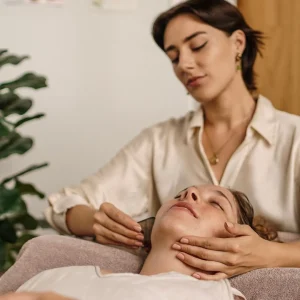
Kiah McGowan is a Traditional Chinese Medicine practitioner who completed studies at University of Technology, Sydney, as well as at the Chengdu University of TCM in China. In their 4 years of practice, Kiah has developed a deep understanding and respect for holistic health, and treating people as whole beings rather than just their symptoms. Their goal is to cultivate a space where you feel valued, heard, and supported in your journey toward balance.
Kiah has a personal passion for mental health – initially finding Chinese Medicine in their teenage years as relief for anxiety and insomnia, they now find it incredibly fulfilling to help those struggling with stress, depression, anxiety and sleep issues. Kiah quickly began to discover their fascination with female reproductive health early in to their studies, and enjoys seeing people along their journey through all aspects of hormonal health: from regulating hormones and cycles, promoting optimal fertility and conception, assisting during pregnancy, supporting mothers through the postnatal phase and the transition to menopause. Kiah also provides Cosmetic Acu-facials, having developed a signature combination of traditional Chinese facial tool massage and cosmetic acupuncture to enhance the skin’s natural radiance.
Kiah is your go-to general health acupuncturist, employing holistic approaches for all health concerns, including common conditions such as muscular pain or tension, fatigue, and digestive issues. Kiah has special interests in areas of hormonal health (from balancing cycles, to fertility, pregnancy and menopause), mental health (stress, anxiety, depression and sleep), and offering rejuvenating cosmetic acu-facials for radiant skin. Kiah is committed to nurturing a sense of understanding and self-awareness within all their clients, so that they may recognise the ways their body speaks to them through their symptoms.
Kiah loves to balance the ancient intricacies of Chinese Medicine with their love for modern science and research, and enjoys practicing in an evidence-based manner. Kiah believes in empowering individuals on their path to health, both inside and outside the acupuncture room. They do this through creating highly structured treatment plans which highlight weekly at-home self care tasks, so that patients can take an active role in their healing journey.
Ready to get your journey started and find out if acupuncture can help you? Book your free 10-minute Acupuncture introduction consult with Kiah by navigating to Acupuncture > 10-minute Free Acupuncture Introduction TELEHEALTH.
COACHING
Carly Woods
Buteyko breath coaching for total health / Financial health coaching for women
Buteyko Breath Coaching with Carly for total health
Carly is passionate about teaching people simple and powerful ways to be able to regulate their nervous systems and enhance healing using Buteyko breathing therapy and Naturopathic lifestyle support, because these are foundational aspects that have been so profoundly transformative to her own health. Carly believes in making health fun, engaging, and practical. She loves to give you simple tools to help resolve your stress and anxiety, optimise your respiratory health, enhance your sleep and soothe your digestion.
Begin to experience the effects of healthier breathing ahead of time by accessing Carly’s Free Buteyko Breathing Starter Pack. Maximise your healthy life by rewiring the patterns of your respiratory tract, nourishing your nervous system, resting easy with better sleep and easing your digestion by using these simple Buteyko breathing techniques.
Financial Health & Business Coaching for women who want to take more control of their lives
Carly is co-director of Fertile Ground Health Group and The Melbourne Apothecary alongside her partner, Charmaine Dennis. To say that Carly is obsessed with empowering women financially and contributing to the uplift and wealth cultivation of women in our community for the betterment of the planet and all life on it, would be an understatement.
Carly helps women identify what stage they’re at, where they want to be, and develops strategies to help them get there. Carly coaches on everything from the foundations of money management (budgeting and assessment for present and future), to options to grow your wealth leveraging the capacity of your money to make money on itself (and how to stop trading your time for money), to getting more out of your superannuation for long term security, money mindset (understanding your unconscious money behaviours and blocks), business growth techniques (marketing, engagement and evaluation), personal growth tools to help you polish your capacity for change, and even offers education about how to invest in the stock market according to your ethics and values for long term gain and asset diversification.
Carly wants to first empower women to satisfy their own financial needs then secondly, to help women make MUCH MORE MONEY so they can feel safe enough financially to take chances and bold action toward creating a better world in the ways they feel inspired to. Access Carly’s free 30 minute talk – “How to Make More Money“
Read more about Carly and book in for a free 10-minute introduction consult with Buteyko breath coach / Financial health coach, Carly by navigating to Coaching > 10-minute Free Coaching with Carly Introduction TELEHEALTH
COUNSELLING
Chanel Keane
Perinatal & Fertility Counsellor
Accredited Mental Healthcare Social Worker
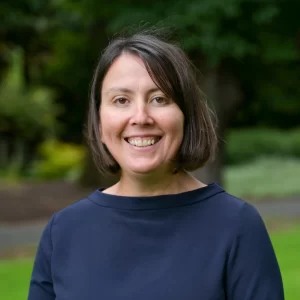
Chanel Keane is an accredited mental health social worker and counsellor with 23 years experience in private practice and a variety of community based and health care settings. She is passionate about being a counsellor – particularly the therapeutic benefits her clients experience of being heard and engaged in a human relationship that is respectful, safe, honest, and focused on their needs and resolution of their struggles.
Throughout Chanel’s counselling and social work career she has been dedicated to supporting women through many life challenges particular to women. This includes experiences with infertility, IVF, unplanned pregnancy, pregnancy loss and perinatal and postnatal mental health issues. She believes deeply in the importance of reproductive choice in a woman’s life and that women’s reproductive journeys are complex and can be fraught with challenges. So often women can feel very alone and isolated in these experiences which in turn compounds some of the distress and suffering they feel.
Her engagement with clients is passionately grounded in a person centered, feminist counselling practice. Chanel respects that the lives of people are complex – your needs are diverse and always influenced by the broader social, political and economic realities in which you live. Her approach to supporting you is to listen to your experiences and needs in an open, non-judgemental and empathic way, providing counselling, information, options, advocacy and therapeutic interventions in partnership with you. She honours each person’s subjective experience of their struggles, and lived experience, exploring how these experiences intersect with their identity and sense of self.
Chanel has extensive experience in working with people whose lives have been affected by childhood and adult trauma, mental illness, drug and alcohol dependence, sexual assault, and family violence. It is her hope that through therapy, you can develop a greater self-awareness of your emotions, thoughts, strengths and supports, and in so doing feel an improvement in your overall well-being, connection with yourself and with others.
Chanel believes that you feelings and struggles are not signs of weakness or ill health, but are most often normal responses in trying to cope with challenging life experiences. She likes to encourage the use of diverse mediums such as creative writing or journal writing and other creative forms of expression to explore and express your experiences.
Chanel’s employment experience includes roles at Adora Fertility, CASA House (Centre Against Sexual Assault), The Royal Women’s Hospital, Pregnancy Advisory Service (RWH), Marie Stopes Australia, Headspace, Sexual Assault Crisis Line, 1800 Respect.
Areas of counselling experience
- Women’s mental health and well-being
- Infertility and IVF
- Pregnancy
- Pregnancy options
- Reproductive loss
- Parenting
- Childhood and adult trauma
- Depression
- Anxiety
- Relationship concerns
- Interpersonal violence
- Grief and loss
Chanel offers face to face, phone and zoom consultations.
Medicare rebates may apply for up to 10 sessions per year – this requires you are referred from your GP or medical practitioner with a GP Mental Health Treatment Plan and have a valid medicare card. The rebate is $77.80 for Mental Health Accredited Social Workers.
Private Health Rebates may also apply – please check with your health fund. The amount you can claim depends on your level of cover.
Suzanne Hurley
Perinatal & Fertility Counsellor
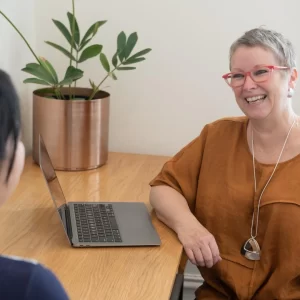
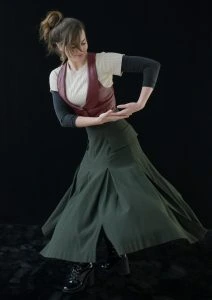
Suzanne Hurley is a Perinatal & Fertility Counsellor, Supervisor & Dance/Movement Therapist. She attends to those who may be unhappy, distressed, afraid or otherwise impacted by fertility related events where additional support may be needed. She has an impressive level of expertise having worked with varying degrees of reproductive loss, including pregnancy options counselling, infertility and IVF support, perinatal mental health, abortion counselling, parenting and with reproductive health issues. She has provided her clients with counselling, group support and presented to health professionals in various perinatal settings. Her expertise and understanding of the issues women, couples and families face when immersed in the perinatal period is highly specialised. She knows that when confronted by the unexpected you need someone by your side.
Suzanne brings with her a wealth of knowledge and experience after having worked in multiple settings where perinatal mental health has been the focus of her work. This has included time on the PANDA Helpline (Perinatal Anxiety and Depression Australia), at Carrington Health in the Community Outreach Perinatal Support Service. She spent 10yrs at The Women’s Hospital’s Pregnancy Advisory Service and other periods of time at Marie Stopes Australia National Counselling Service for unplanned pregnancy, Melbourne Pregnancy Counsellors and at Adora Fertility.
Suzanne also works at Austin Health Psychiatric Unit in the Parent Infant Program as a Dance/Movement/Play Therapist. She has also run groups Pregnant Pause and Moving Stories: explorations of the pregnant body, past present and future, through movement.
Suzanne provides clinical supervision to health professionals often working with perinatal mental health, reproductive loss, grief and infertility and in other areas of public health and community services.
In Counselling Suzanne can address:
Contemplating Pregnancy
- Fear and worry about pregnancy, birth, baby.
- Relationship issues including Family Violence
- Infertility
- IVF
- Single women contemplating using donor sperm
- Another baby after difficult perinatal experiences
- Health issues
Unintended Pregnancy
- Pro Choice, unbiased pregnancy options counselling
- Unplanned/planned/IVF, wanted/unwanted, complexity in circumstances
- Unplanned and unwanted with beliefs against abortion
- Unplanned, wanted but am I sure?
- Difficulties deciding
- Pregnancy the result of sexual assault
- Considering abortion later in pregnancy
- Abortion support; pre and post
Pregnancy Support
- Anxiety and or Depression
- History of mental illness
- Unhappy
- Change of circumstances during pregnancy
- Birth preparation
- Foetal abnormalities
- Harmony testing at 10wks
Life With Baby
- Birth debriefs
- Not enjoying your baby
- Not feeling like yourself
- Relationship difficulties
- Isolation
- Family issues
- Postnatal Anxiety and or Depression
- Missing work or thinking of return to work
- Who we are as a family?
- Who am I as a mother/father?
- Unexpected outcomes
- Grief and Loss
End of Reproduction
- Who am I if I am not a mother?
- Childless not by choice
- Health issues impacting fertility
- Hysterectomy counselling
- But I wanted more children
Suzanne’s approach to counselling:
What I believe…
I firmly believe compassionate, early counselling intervention for all reproductive trauma events, including unbiased abortion support, will establish parents both today and in the future with the best possible outcomes for managing the unexpected realities for if they do, when they do and during having their babies. This can be done alone, isolated and uncertain or accompanied with honour, good humour, and grace. You get to choose…Read more about Suzanne
Book your free 10-minute introduction consult with Perinatal & Fertility Counsellor, Suzanne by navigating to Counselling > 10-minute Free Counselling Introduction TELEHEALTH
NATUROPATHY
Charmaine Dennis
Senior Fertility and Oncology Naturopath
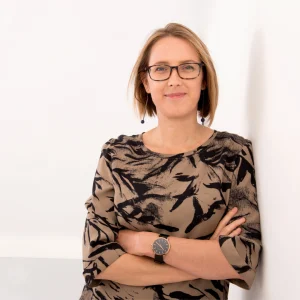
Charmaine Dennis is a naturopath, fertility and health expert, mentor, writer, mother, and businesswoman with 20+ years of experience. She is the founding director of Fertile Ground Health Group and The Melbourne Apothecary, co-author of Create A Fertile Life and The Breakfast Project and co-creator of the Be Fertile relaxation CD series, among other health inspired projects. Her greatest gift and inspiration is making health, wellbeing, and passionate living accessible, inspiring and achievable for everyone.
Through her own health crisis at 34 years old (a shocking and life-threatening diagnosis of acute leukaemia in 2010) Charmaine experienced first-hand immersion into the medical system. This transformative, life-affirming, challenging time has refocused and reinvigorated her drive for good health and living life to its fullest. Undoubtedly this experience has deepened her passion for collaborative health care.
Charmaine’s naturopathic career has followed a special interest in working with people with fertility issues requiring IVF support since 1999. She has assisted many in realising their dreams to conceive healthy, beautiful babies in collaboration with GPs and fertility specialists, acupuncturists and other health modalities. Since her own cancer experience, she can see the gaping need for more collaboration between natural and medical oncology approaches and enjoys working with people who need support for wellness and advocacy through their own cancer journey at any stage of treatment or recovery.
As well as mentoring and supervising students, naturopaths and other practitioners at Fertile Ground Health Group, Charmaine is running retreats, immersions and workshops for anyone to support their personal or business development.
Book your free 10-minute introduction consult with Naturopath, Charmaine by navigating to Naturopathy – Fertile Ground > 10-minute Free Naturopathic Introduction TELEHEALTH
Gina Fox
Senior Fertility Naturopath
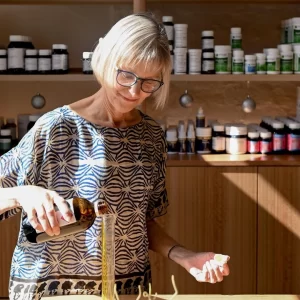
Gina Fox is a naturopath with over 20 years’ experience. She trained under Francesca Naish (author of Natural Fertility Management and Better Babies) and has a Masters in Reproductive Medicine. As well as being an experienced clinician she is a speaker, naturopathic lecturer and student clinic supervisor.
Gina is highly skilled in providing naturopathic care for women’s health issues, pre-conception health, infertility, IVF support, pregnancy care and through menopause. She treats a wide range of issues including recurrent miscarriage, thyroid, auto-immune antibodies and she has seen good results working with men to improve sperm quality. She also enjoys the post birth appointments with mother and baby, maximising wellness for the whole family and educating parents on how to manage many common childhood illnesses. Her professional approach involves working in collaboration with doctors and specialists to create an effective co-ordinated treatment.
Gina loves to help couples achieve full-term pregnancies and give birth to beautiful healthy babies. She excels at addressing underlying stressors while couples achieve their optimal fertility. Her own meditation practice led her to become a meditation instructor and co-develop the Be Fertile series of guided relaxation meditations for women around conception, IVF and pregnancy support, which is now available for free to everyone to access and download.
Book your free 10-minute introduction consult with Naturopath, Gina by navigating to Naturopathy – Fertile Ground > 10-minute Free Naturopathic Introduction TELEHEALTH
Georgia Marrion
Senior Fertility Naturopath & Nutritionist
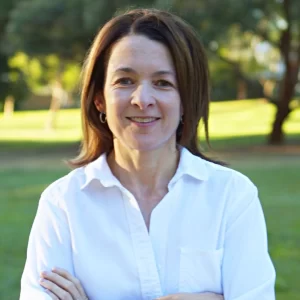
Georgia is a naturopath of 19 years’ experience with a Degree in Complementary Medicine and a Masters in Nutrition. Along with extensive clinical experience in reproductive health and fertility, Georgia is also an experienced writer and well regarded speaker.
Initially embarking on reproductive health as a clinical speciality following her own personal experience with sub-fertility and pregnancy complications, she has a strong curiosity and passion for supporting people who are experiencing reproductive challenges. Georgia specialises in supporting individuals and couples during their journey through preconception, conception, pregnancy and postpartum life stages.
Areas of focus include menstrual cycle irregularities, endometriosis, polycystic ovarian syndrome (PCOS) , pre-menstrual syndrome (PMS), mast cell activation syndrome (MCAS) and histamine issues as well as male fertility and sperm health issues.
With 2 children of her own in their primary school years, Georgia can help to expertly guide you through the early years of family health issues, and enjoys treating babies and children with recurrent infections, failure to thrive, digestive issues at all ages and any challenges that you need support with for your baby or child’s best health.
Georgia also enjoys treating women and individuals during the transition to menopause including peri-menopausal imbalances.
Her clinical approach involves supporting and guiding you to optimise your health physically, mentally and emotionally using an approach blending traditional and scientific knowledge. This is based on an integration of her many years of clinical experience with ongoing education to stay up to date with new research and treatment strategies. Along with gaining her Masters Degree, this includes post graduate mentoring and training with Rachel Arthur, Rhiannon Hardingham, Leah Hechtman, Dr Andrew Orr and The Fertility Mentoring Program (The Baby Maker Network) among others.
Georgia believes that a team approach gets the best outcomes for all. She works in close collaboration with her patients’ medical care team to ensure the most effective, appropriate evidence-based treatment plans for each individual.
Book your free 10-minute introduction consult with Naturopath, Georgia by navigating to Naturopathy – Fertile Ground > 10-minute Free Naturopathic Introduction TELEHEALTH
Shantini Iyngkaran
General Health & Postpartum/Postnatal Naturopath
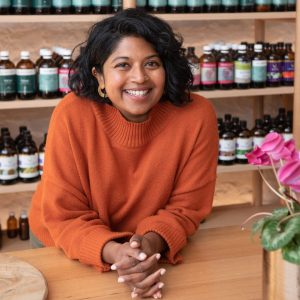
Shantini Iyngkaran is a Naturopath whose practice focuses on maternal care including pre and postpartum experiences. She believes the vitality of a mother is the result of unconditional support, attuning the mother to her body and replenishing all her cups, emotionally, physically, and relationally.
She also has a special interest in gut and immune health. As someone who has struggled with her own health challenges in these areas, she approaches this with lived experience and compassion.
Shantini values time and presence in her consults as she learns about the individuals physical, spiritual, emotional, and home health. She discerns a variety of modalities, techniques, herbal, and nutritional knowledge to identify and support health needs.
Shantini brings insights to her work from her multifaceted career as a solicitor, entrepreneur, personal trainer and yoga teacher. Her multi-passionate approach to her career and life, allows her to provide a holistic and tailored naturopathic practice.
When she isn’t working at the Melbourne Apothecary, you will either find Shantini walking in nature, with her beloved pooch, Sir Waffles, creating in the kitchen, serving her local community, enjoying a matinee at the cinemas or relishing the company of her friends. She is a connoisseur of hugs, so if you feel like a warm embrace book in with her.
As someone who deeply values connection and community, Shantini is currently offering free Naturopathic 10-minute consults to help to get you started towards better health. These sessions are a chance for you to make sure the therapeutic relationship is a great fit and get clarity about what you want to achieve on your health journey.
Book your free 10-minute health consult with Shantini by navigating to Naturopathy – Apothecary General Health > 10-minute Free Naturopathic Introduction TELEHEALTH
Lucy Moores
General Health & Skin Health Naturopath
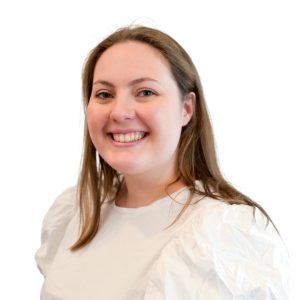
Book a free 10 minute introduction consult with Lucy Moores
Lucy Moores is a passionate nutritionist and naturopath dedicated to helping you achieve optimal health and wellness. She has a particular passion for helping her patients rejuvenate, protect and balance one of the largest and most exposed organs of their body – the skin. Lucy helps you not only with skin as it relates to restoring your natural healthy glow and addressing dermatological issues, but also as relates to immune health, your microbiome, your hormones and your vaginal health.
With her expertise in nutrition and naturopathy she can offer a unique perspective and comprehensive support to guide towards a balanced and vibrant life.
After dedicating 8 years of her life to studying and immersing herself in the field of natural healing, Lucy’s passion for this transformative approach to health burns brighter than ever. As a qualified nutritionist, Lucy has a deep understanding of the vital role that proper nutrition plays in optimising well-being. Having personally experienced the challenges of autoimmune disease, she knows firsthand the impact this can have on quality of life. This personal journey ignited a passion for exploring the intricate connection between nutrition, autoimmunity and inflammation and she believes that food can be one of our most powerful medicines.
Additionally, as a qualified naturopath, Lucy combines the best of traditional healing with evidence-based natural therapies. As mentioned, Lucy has a special interest in all types of dermatological skin concerns as well as vaginal health, menstrual irregularities and general immune or inflammatory conditions.
She is passionate about collaborative health care and integrates functional testing alongside natural healing principles, enabling a comprehensive understanding of your body’s unique needs.
Lucy’s greatest joys come from witnessing transformations with her patients as they make positive changes in their lives. She provides compassionate guidance and unwavering support throughout your wellness journey, empowering you to take control and live your best life.
Lucy takes her passion beyond one on one consultations and educates and inspires the wider community through workshops and patient education. Her goal is to create awareness and empower you to gain a deeper understanding of your body and equip you with the tools to make positive changes that promote optimal health and radiant skin.
Embark on a transformative journey with Lucy to revitalise your quality of life, restore your skin from within, reclaim your vaginal and hormonal health and/or nourish your immunity!
Lucy is available via telehealth and in person.
Book a free 10 minute introduction consult with Lucy Moores by navigating to Naturopathy – Apothecary General Health > 10-minute Free Naturopathic Introduction TELEHEALTH
Access more resources from Lucy Moores
Blogs